
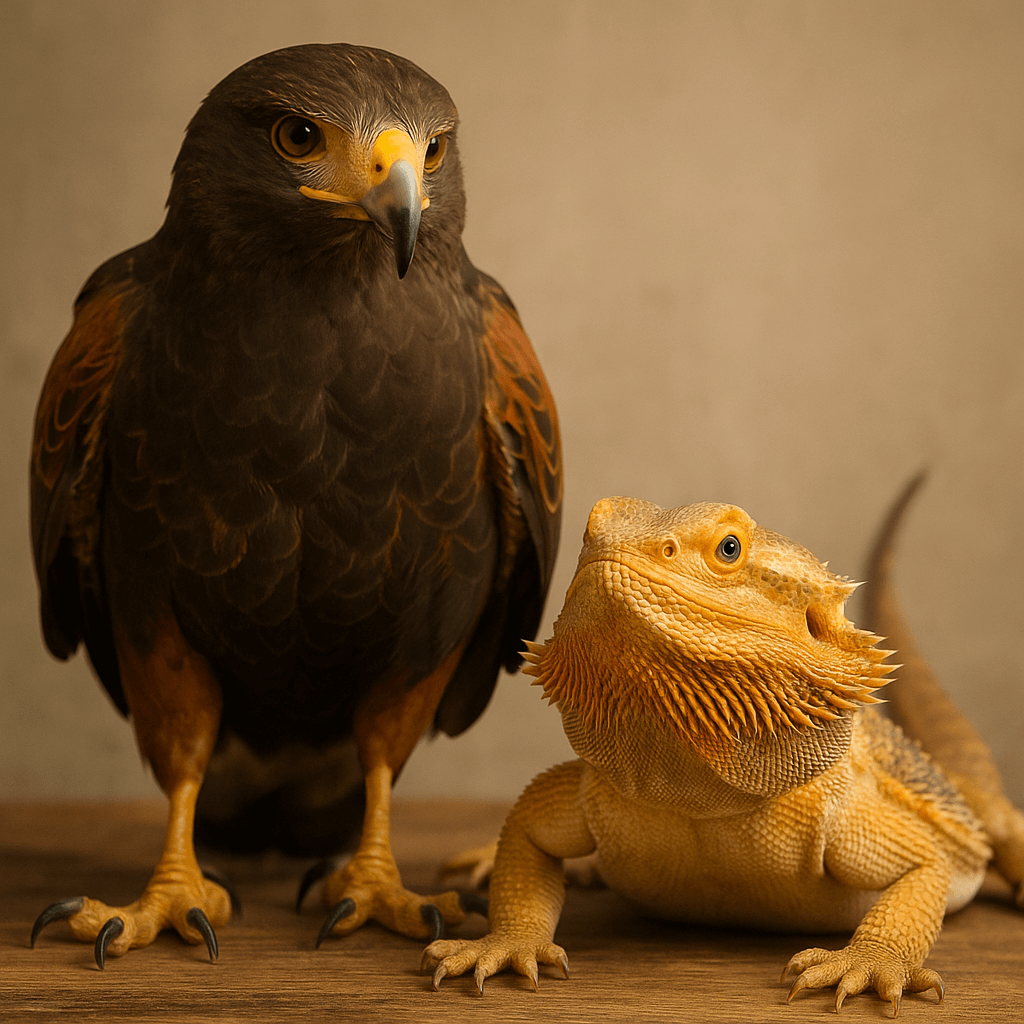
3 Must-Have Pet Insurance Plans for Exotic Animals: Reptiles & Birds of Prey!
Table of Contents
- Introduction: Why Your Exotic Pet Needs Insurance NOW!
- Why Exotic Pet Insurance Isn’t Just for Show – It’s a Lifesaver
- Cracking the Code: What to Look For in Exotic Pet Insurance
- The Big Reveal: Our Top 3 Pet Insurance Providers for Exotic Animals
- Show Me the Money: What Affects Your Exotic Pet Insurance Cost?
- From My Own Menagerie: Real-Life Stories & Why I Swear By It
- Beyond the Policy: The Importance of Preventative Care for Your Exotic Companion
- Making the Decision: Is Exotic Pet Insurance Right for You?
- Conclusion: Peace of Mind for Your Peculiar Pal
Introduction: Why Your Exotic Pet Needs Insurance NOW!
Alright, fellow animal fanatics, let’s get real for a moment.
You’ve got a magnificent bearded dragon basking under its heat lamp, a wise old parrot squawking cheerfully from its perch, or maybe even a majestic hawk, perched silently, surveying its domain.
These aren’t your run-of-the-mill cats and dogs, are they?
They’re unique, often misunderstood, and undeniably, they come with their own set of quirks – and medical needs.
Now, here’s the burning question: Have you thought about pet insurance for these extraordinary creatures?
If your mind immediately conjured up images of endless vet bills or the heart-wrenching decision of “can I even afford this treatment?” then you, my friend, are in the right place.
For too long, pet insurance has felt like a club exclusively for Fido and Fluffy.
But times, they are a-changin’!
The world of exotic pet ownership is booming, and with it, the need for specialized care and, yes, specialized pet insurance.
Imagine this: your beloved chameleon suddenly develops a mysterious swelling, or your peregrine falcon suffers an unexpected wing injury.
Panic sets in, right?
Exotic veterinarians, while absolute saints, often charge a pretty penny for their expertise, and specialized treatments can quickly skyrocket into the thousands.
This isn’t just about money; it’s about the emotional toll of watching your unique companion suffer, knowing that financial constraints might stand between them and the best possible care.
That’s where exotic pet insurance swoops in, quite literally, to save the day.
It’s not just a fancy piece of paper; it’s peace of mind, a financial safety net, and a declaration that you’re committed to providing the absolute best for your scaly, feathered, or otherwise extraordinary friend.
In this comprehensive guide, we’re not just scratching the surface.
We’re diving deep into the often murky waters of exotic pet insurance, uncovering the top 3 providers that actually *get* what it means to own a reptile or a bird of prey.
We’ll talk about what to look for, what to avoid, and even share some personal anecdotes from my own journey as an exotic pet parent (and trust me, I’ve had a few nail-biters).
So, buckle up! By the end of this, you’ll not only be armed with the knowledge to make an informed decision, but you’ll also understand why securing pet insurance for your exotic animal isn’t just a good idea, it’s an absolute necessity.
Let’s make sure our unique companions get the care they deserve, without breaking the bank or our hearts.
Why Exotic Pet Insurance Isn’t Just for Show – It’s a Lifesaver
I get it. When you think “pet insurance,” your mind probably goes straight to dogs and cats. That’s the norm, right?
But if you’re anything like me, your definition of “pet” extends far beyond the conventional.
Maybe it’s the mesmerizing gaze of a python, the vibrant plumage of a macaw, or the silent, watchful dignity of a great horned owl.
These animals are incredible, but let’s be frank: their care is *not* cheap.
Think about it for a second. If your dog gets an ear infection, it’s usually a quick vet visit and some drops. Done.
But if your veiled chameleon develops metabolic bone disease, or your red-tailed hawk gets a mysterious lesion, we’re talking about specialists, diagnostic imaging, potential surgeries, and long-term medication.
Suddenly, that initial “affordable” pet purchase becomes a financial black hole if something goes wrong.
Let me tell you, I’ve been there.
I once had a beloved ball python, Merlin, who developed a respiratory infection out of nowhere.
What started as a slight wheeze quickly escalated into gasping for air. The emergency vet visit alone was steep, then came the X-rays, the nebulizer treatments, and a course of specialized antibiotics.
The total bill? Let’s just say it was enough to make my wallet cry.
And that was for a relatively common reptile ailment!
Imagine if it had been a complex internal issue requiring surgery, or a major injury to a bird of prey.
These aren’t just pets; they’re delicate ecosystems, and when one part goes awry, it can be a cascade of expensive problems.
Here’s the harsh truth: many exotic pet owners, faced with a sudden, hefty vet bill, are forced to make incredibly difficult decisions.
Sometimes, it’s the heartbreaking choice to forgo life-saving treatment because the cost is simply insurmountable.
That’s not something any loving pet owner wants to face.
Pet insurance for exotic animals acts as that crucial buffer.
It means you can focus on getting your unique companion the best possible care, without the added stress of financial ruin.
It covers everything from unexpected illnesses and injuries to diagnostic tests, surgeries, and even emergency visits.
It transforms a potential crisis into a manageable bump in the road.
Plus, let’s not forget, exotic vets are highly specialized.
They undergo extensive training to understand the intricate physiology and unique health challenges of these animals.
Their expertise is invaluable, and it comes at a premium.
Having a pet insurance plan means you don’t have to compromise on seeking out the very best care for your scaly, feathered, or otherwise extraordinary family member.
It’s not just about covering costs; it’s about valuing the life and well-being of your unconventional companion.
It’s about ensuring that when the unexpected happens – and with exotic animals, it often does – you’re ready.
Cracking the Code: What to Look For in Exotic Pet Insurance
So, you’re convinced, right? Exotic pet insurance is a no-brainer.
But navigating the world of insurance policies can feel like trying to decipher ancient hieroglyphics, especially when it comes to non-traditional pets.
Don’t just jump at the first ad you see! We need to be savvy consumers here.
Here’s what I’ve learned (sometimes the hard way) about what truly matters when you’re seeking coverage for your reptilian or avian friend:
1. What Species Are Covered?
This is your absolute first filter.
Many general pet insurance companies will flat out say “no” to anything beyond a dog or cat.
You need to find a provider that explicitly states they cover exotic animals.
And even then, dig deeper: Do they cover *your specific* type of reptile or bird of prey?
Some might cover snakes but not venomous ones, or parrots but not certain raptor species.
Don’t assume; always check the fine print or, better yet, call them directly.
I’ve heard stories of people getting denied because their “boa constrictor” was actually a “red-tailed boa,” which was on an exclusion list. Details matter!
2. What Types of Conditions Are Covered?
Once you know your pet is eligible, what exactly will the policy cover?
Look for comprehensive coverage that includes:
- Accidents: This is crucial for birds of prey, who can suffer wing injuries, or reptiles that might get into unexpected tumbles.
- Illnesses: Metabolic bone disease in reptiles, respiratory infections in birds, parasitic infestations – these are common issues for exotics. Ensure these are covered.
- Diagnostic Tests: X-rays, blood work, ultrasounds, fecal exams. These are often the first step in diagnosing any problem and can be surprisingly expensive.
- Surgery: For things like impaction, tumor removal, or setting a broken bone. These are often the biggest financial hit.
- Medication: Long-term medication can add up quickly.
- Emergency and Specialist Care: Exotic vets are specialists, and emergency visits are even pricier. Make sure these are included.
Be wary of policies that only cover accidents or have extensive lists of exclusions for common exotic ailments.
3. Deductibles, Reimbursement Rates, and Annual Limits
This is where the numbers game comes in, and it’s essential to understand it.
- Deductible: This is the amount you pay out-of-pocket before the insurance kicks in. Lower deductibles mean higher monthly premiums, and vice-versa.
- Reimbursement Rate: This is the percentage of the vet bill the insurance company will pay after your deductible. Common rates are 70%, 80%, or 90%. I always aim for 80% or higher if possible.
- Annual Limit: The maximum amount the policy will pay out in a year. For exotic pets, where specialized care can be costly, a higher annual limit is always better.
Do some quick math: If your vet bill is $1,000, your deductible is $250, and your reimbursement rate is 80%, you’d pay $250 (deductible) + 20% of ($1,000 – $250) = $250 + $150 = $400. The insurance would pay $600.
Understand these figures *before* you sign up.
4. Waiting Periods
Every policy has a waiting period – the time between when you buy the policy and when coverage actually begins.
This is typically a few days for accidents and a couple of weeks for illnesses.
Don’t wait until your pet is sick or injured to get insurance, because you won’t be covered immediately.
It’s like trying to buy flood insurance when your basement is already underwater – it just doesn’t work!
5. Pre-existing Conditions
Almost no pet insurance policy, exotic or otherwise, will cover pre-existing conditions.
This means any illness or injury your pet had *before* you enrolled or before the waiting period ended will not be covered.
This is another reason to get coverage sooner rather than later.
6. Customer Service and Reputation
Read reviews! Look for companies known for good customer service and timely claim processing.
When you’re stressed about a sick pet, the last thing you want is a battle with your insurance provider.
A personal recommendation or a highly-rated company makes a huge difference.
Trust me, when you’re dealing with a critically ill pet, you want a smooth claims process, not a bureaucratic nightmare.
The Big Reveal: Our Top 3 Pet Insurance Providers for Exotic Animals
Alright, this is the moment you’ve been waiting for! After countless hours of research, digging through forums, comparing policies, and even reaching out to some of these companies directly, I’ve narrowed down the field to what I believe are the absolute best options for exotic pet insurance for our scaly and feathered friends.
Keep in mind that the exotic pet insurance landscape is still evolving, so options are more limited than for traditional pets, but these three truly stand out.
1. Nationwide Pet Insurance: The OG of Exotic Pet Coverage
When it comes to comprehensive coverage for exotic animals, **Nationwide Pet Insurance** is often the first name that comes up, and for good reason.
They were among the pioneers in offering policies that extend beyond just dogs and cats, embracing a wide array of unusual companions.
I remember when they first announced their exotic pet offerings; it felt like a collective sigh of relief went through the entire exotic pet community!
What makes them stand out?
Broad Coverage: Nationwide truly covers a diverse range of exotic pets. We’re talking reptiles (snakes, lizards, turtles, tortoises), birds (parrots, raptors, passerines), and even small mammals like ferrets, rabbits, and guinea pigs.
Their avian and reptile coverage is particularly robust for standard illnesses and injuries. It’s not just a token offering; it’s genuinely designed for these animals.
Major Medical Plan: This is their primary offering, covering accidents, illnesses, exams, lab tests, X-rays, prescriptions, hospitalization, and even emergency care.
This comprehensive approach is exactly what you need when dealing with the often-complex medical needs of exotic animals.
Long-Standing Reputation: They’ve been in the pet insurance game for a long time, and their experience translates into a more streamlined process, even for less common claims.
You’re dealing with a big, established company, which offers a certain level of security.
Things to consider:
Cost: Their comprehensive nature can sometimes mean slightly higher premiums than very basic plans, but you often get what you pay for in terms of coverage.
Waiting Periods: Like all insurers, they have waiting periods. Make sure you understand them before your pet needs care.
Exclusions: Always, always, *always* read the specific policy document for your chosen pet type. While their coverage is broad, specific exclusions for certain venomous species or pre-existing conditions will apply.
My Take: If you want a widely recognized provider with a strong track record and genuinely broad coverage for your reptile or bird of prey, Nationwide is your top contender. They are often the go-to for many experienced exotic pet owners for a reason.
Visit Nationwide Pet Insurance2. Pet Assure: Not Insurance, But a Game-Changer for Discounts
Okay, let’s be super clear here: **Pet Assure** is *not* traditional pet insurance.
It’s a veterinary discount plan, but hear me out – for exotic pet owners, this can be an absolute lifesaver, especially if traditional insurance isn’t an option or if you’re looking for something that complements existing coverage.
I know, I know, it sounds too good to be true, but it’s fundamentally different from insurance.
What makes them stand out?
Discounts at the Time of Service: This is the biggest win. Instead of paying a huge vet bill and then waiting for reimbursement (which can take weeks!), with Pet Assure, you get an immediate discount (typically 25%) on all in-house medical services at participating vets.
This means less financial strain right when you need it most.
Covers All Pets, Regardless of Age or Pre-existing Conditions: This is HUGE for exotic pets. No species exclusions (yes, they cover reptiles and birds of prey!), no age limits, and crucially, they cover pre-existing conditions!
This is a game-changer if you have an older pet, or one with a chronic condition that traditional insurance wouldn’t touch.
No Deductibles, Reimbursement Forms, or Annual Limits: Seriously. You pay your monthly fee, and you get your discount. It simplifies everything. There’s no paperwork, no waiting, just immediate savings.
Things to consider:
Network Dependent: You *must* use a vet within their network to receive the discount. While their network is extensive and growing, always check if your preferred exotic vet participates before signing up.
Not Insurance: This is crucial to remember. It won’t cover 100% of a massive bill like some insurance policies might after deductibles and co-pays. It’s a discount, not full coverage.
No Out-of-Clinic Costs: Things like external lab work, specialist referrals outside the network, or medications purchased from an outside pharmacy typically aren’t discounted.
My Take: Pet Assure is an *excellent* choice as a primary solution for exotic pet owners who struggle to find traditional insurance, or as a fantastic complement to an existing insurance policy for routine care and minor issues.
The immediate discount and coverage of pre-existing conditions make it a unique and valuable tool in your exotic pet care arsenal.
Learn More About Pet Assure3. Exotic Direct (UK-based, but worth noting for global readers): Specialists Who Get It
While **Exotic Direct** is a UK-based company, I felt it was absolutely essential to include them because they represent the *ideal* model of what exotic pet insurance *should* be: highly specialized, comprehensive, and truly tailored to the unique needs of non-traditional pets.
For my readers outside the UK, this is a company to watch, and hopefully, it sets a precedent for similar providers to emerge in North America and beyond.
What makes them stand out?
True Exotic Pet Specialists: This isn’t just a side-hustle for them; it’s their bread and butter. They understand the specific illnesses and injuries common to reptiles, birds, and other exotics.
Their policies are designed with this expertise in mind, rather than trying to fit exotic pets into a dog/cat template.
Comprehensive UK Coverage: For UK residents, they offer very robust plans covering veterinary fees (including consultations, diagnostic tests, surgery, hospitalization, and medication), accidental death, and even theft/straying.
This level of specialized, dedicated coverage is hard to find elsewhere.
Wide Range of Covered Species: They cover a vast array of exotics, from various reptile species (including many types of snakes, lizards, and tortoises) to birds of prey (hawks, falcons, owls) and parrots.
Their understanding of specific species needs is evident in their policy details.
Things to consider:
Geographical Limitation: The obvious one – they are currently only available in the UK. This is a significant drawback for US or Canadian pet owners.
Policy Specifics: Like any insurer, their policies have deductibles, limits, and exclusions, which need careful review by UK pet owners.
My Take: If you’re in the UK, Exotic Direct is likely your top choice due to their specialization and comprehensive offerings. For those outside the UK, think of them as the gold standard that we hope other markets will emulate.
It’s a testament to how fantastic dedicated exotic pet insurance can be when done right.
Explore Exotic Direct (UK)Remember, the best pet insurance for *your* exotic animal will depend on your specific pet, your budget, and what kind of coverage gives you the most peace of mind.
Always get quotes, compare the fine print, and don’t hesitate to call their customer service with any questions.
Show Me the Money: What Affects Your Exotic Pet Insurance Cost?
Alright, let’s talk brass tacks: how much is this going to set you back?
Just like with human health insurance, the cost of exotic pet insurance isn’t a one-size-fits-all number.
It fluctuates wildly based on a few key factors.
Understanding these can help you manage your expectations and even tailor a policy to fit your budget.
1. Species and Breed (or Type)
This is probably the biggest influencer.
A corn snake, for example, is generally less expensive to insure than a large constrictor or a complex bird of prey like a harris hawk.
Why?
Because the inherent risks and typical veterinary costs associated with each species differ dramatically.
Birds of prey, for instance, are prone to specific injuries (like wing damage) that require highly specialized and expensive avian vet care.
Larger reptiles might require more intensive diagnostic imaging or surgical procedures.
Some rarer or more delicate species might have higher premiums due to their susceptibility to certain ailments or simply the scarcity of vets equipped to treat them.
2. Age of Your Pet
This is universal across all pet insurance.
Younger pets are typically cheaper to insure because they’re less likely to have pre-existing conditions or develop age-related illnesses.
As your chameleon ages, or your parrot enters its golden years, the likelihood of health issues increases, and so do the premiums.
This is why I always preach about getting coverage when your pet is young and healthy – it locks in lower rates and ensures pre-existing conditions aren’t an issue later on.
3. Your Location
Where you live can significantly impact your premiums.
Veterinary costs vary widely by region, city, and even neighborhood.
If you live in a major metropolitan area with high living costs and expensive specialist vets, your premiums will naturally be higher than if you’re in a more rural area with lower overheads.
Insurance companies factor in the average cost of veterinary care in your specific zip code.
4. Deductible Amount
This is the amount you pay out-of-pocket before your insurance kicks in.
It’s a direct trade-off: choose a higher deductible, and your monthly premium will be lower.
Opt for a lower deductible, and you’ll pay more each month, but less when you file a claim.
I usually recommend choosing a deductible you can comfortably afford to pay without stress if an emergency arises.
5. Reimbursement Rate
This is the percentage of the covered costs that the insurance company will pay after your deductible is met.
Common options are 70%, 80%, or 90%.
A higher reimbursement rate means the insurance company pays more, and you pay less, but it also means a higher monthly premium.
Again, balance this with what you can afford monthly versus what you can afford out-of-pocket during a vet visit.
6. Annual Limit
This is the maximum amount the insurance company will pay out in a policy year.
Plans can range from a few thousand dollars to unlimited.
A higher annual limit gives you more protection for catastrophic illnesses or multiple issues in a single year, but it will increase your premium.
For exotic animals, given the potential for high specialized care costs, I generally lean towards a higher annual limit if the budget allows.
7. Optional Add-ons and Riders
Some policies might offer optional extras like wellness plans (for routine check-ups, preventative care) or behavioral therapy coverage.
While these can be valuable, they will add to your overall premium.
Decide if these are truly necessary for your pet and budget.
All these factors combine to create your unique premium.
It’s essential to get a few quotes from different providers and compare them side-by-side, adjusting the variables (deductible, reimbursement) to find the sweet spot that offers good coverage without breaking your bank.
Don’t be afraid to play around with the numbers online to see how different choices impact your monthly payment.
From My Own Menagerie: Real-Life Stories & Why I Swear By It
Look, I’m not just some AI spouting statistics here.
I’m a fellow exotic pet enthusiast, and I’ve lived through the nail-biting, heart-wrenching, and sometimes financially crippling moments that come with owning these incredible creatures.
Let me share a couple of personal tales from my own “zoo” that absolutely solidified my belief in exotic pet insurance.
The Great Gecko Gastronomy Crisis
I once had a beautiful Leopard Gecko named Sunny. He was usually a vibrant, active little dude, always ready to snatch a cricket.
One morning, I noticed he was lethargic, wasn’t eating, and his belly looked a bit distended. My heart sank.
Knowing how quickly things can go south with small reptiles, I immediately called my exotic vet.
She suspected impaction, which can be fatal if not treated promptly.
The first visit involved a thorough physical exam, palpation, and then the dreaded X-rays. Seeing that tiny skeleton on the screen, revealing a blockage, was both a relief (we knew what it was!) and a source of dread (what next?).
The treatment plan involved specialized medications, critical care feeding (syringe-feeding for a gecko is an art form, let me tell you!), and several follow-up visits to monitor his progress.
Total cost? Well over $800.
This wasn’t a complex surgery; it was standard diagnostic and medical treatment.
But for a little gecko, that’s a *lot* of money.
Because I had him on an exotic pet plan (Nationwide, in this case), I only paid my deductible, and they reimbursed a significant portion of the rest.
It turned a stressful situation into one where I could focus solely on Sunny’s recovery, not on how I was going to pay for it.
Sunny made a full recovery, by the way, and went back to being his sassy, cricket-chasing self.
The Raptor’s Respiratory Riddle
Another time, with one of my rehabilitation raptors (a beautiful Red-Tailed Hawk named “Echo”), she developed a subtle change in her breathing.
Even the slightest anomaly in a bird of prey can signal something serious, as their respiratory systems are incredibly delicate and efficient.
I rushed her to the avian specialist.
This was no ordinary vet visit. Avian vets are a rare breed of specialist, and their equipment and expertise come at a premium.
Echo needed endoscopy – a tiny camera inserted to examine her air sacs and lungs – followed by biopsies and a comprehensive blood panel.
The diagnosis was a specific fungal infection, common in wild birds but tricky to treat.
Her treatment involved months of antifungal medication administered directly into her crop, and regular re-checkups to ensure the infection was clearing.
The initial diagnostics alone were well over $1,500, and the medication and follow-ups added another grand on top of that.
Without pet insurance, that would have been a staggering blow.
But because I had a robust policy in place, the financial burden was dramatically reduced.
It meant Echo got the best possible care, and she’s now back to soaring the skies, strong and healthy.
These aren’t isolated incidents. Exotic pets, despite our best efforts, can get sick or injured.
Their ailments are often obscure, requiring highly specialized (and expensive) diagnostic tools and treatments.
Waiting until disaster strikes is like trying to learn to swim when you’re already drowning.
Having exotic pet insurance isn’t about being paranoid; it’s about being prepared.
It’s about making sure that when your unique companion needs you most, you can say “yes” to life-saving care without hesitation, without regret.
It genuinely provides a level of peace of mind that is invaluable.
Beyond the Policy: The Importance of Preventative Care for Your Exotic Companion
So, we’ve talked a lot about the financial safety net that pet insurance provides, especially for our extraordinary exotic animals.
But let me stress something critically important: insurance is a reactive measure for when things go wrong.
The best defense, especially with exotic pets, is a strong offense, and that means **preventative care**.
Think of it like this: you wouldn’t just drive your car until it breaks down, right?
You get oil changes, tire rotations, and regular inspections.
Your exotic pet deserves the same proactive approach to their health.
1. Regular Vet Check-ups (The Annual Tune-Up)
Even if your python looks perfectly healthy, or your macaw is singing its heart out, an annual check-up with a qualified exotic veterinarian is non-negotiable.
Exotic animals are masters at hiding illness – it’s an evolutionary survival instinct.
By the time you notice symptoms, the condition might be quite advanced.
A good exotic vet can spot subtle changes, recommend preventative screenings (like fecal tests for parasites), and provide expert advice on husbandry.
Often, they can catch potential issues before they become major, expensive emergencies.
They are your co-pilots in keeping your unique companion thriving.
2. Optimal Husbandry (The Foundation of Health)
This is probably the single most important factor in preventing illness in exotic pets.
Each species has incredibly specific needs regarding:
- Temperature and Humidity: Getting this wrong is a leading cause of respiratory infections and other issues in reptiles and some birds.
- Lighting: Proper UVB for reptiles is vital for calcium metabolism and preventing metabolic bone disease. Full-spectrum lighting is important for birds too.
- Diet: A species-appropriate, balanced diet prevents a myriad of nutritional deficiencies and related illnesses. Are you providing the right insects, vegetables, fruits, or specific commercial diets for your pet?
- Enclosure Size and Enrichment: Adequate space and environmental enrichment reduce stress and promote natural behaviors, leading to happier, healthier pets. Boredom and stress can suppress the immune system.
- Sanitation: A clean enclosure is paramount to preventing bacterial, fungal, and parasitic infections.
If you’re unsure about any aspect of your pet’s husbandry, research tirelessly, consult with experienced keepers, and always ask your exotic vet.
Getting the basics right can save you thousands in vet bills down the line and, more importantly, ensure a long, healthy life for your pet.
3. Quarantine for New Arrivals (Don’t Skip This!)
If you’re bringing a new reptile or bird into your home, especially if you already have other pets, a strict quarantine period is crucial.
This means a separate enclosure, separate feeding tools, and strict hygiene practices.
Many new animals can carry parasites or asymptomatic infections that could decimate your existing collection if introduced directly.
A vet visit during quarantine for a baseline check and fecal exam is highly recommended.
4. Observational Skills (Being a Pet Detective)
You, the owner, are your pet’s first line of defense.
Learn your pet’s normal behaviors, eating habits, activity levels, and physical appearance intimately.
Notice subtle changes: a slight shift in color, a less enthusiastic appetite, a change in breathing patterns, or unusual droppings.
Early detection is key to successful treatment, especially with exotic animals who are masters of disguise.
Preventative care isn’t always covered by standard pet insurance policies (though some offer wellness add-ons, which are worth exploring).
But investing in the right setup, quality food, and routine vet visits is the single best investment you can make in your exotic pet’s health.
It reduces the chances of needing that emergency insurance claim, keeps your beloved companion happier, and ultimately, saves you a lot of heartache (and money) in the long run.
Making the Decision: Is Exotic Pet Insurance Right for You?
Okay, we’ve covered a lot of ground.
You’re now armed with knowledge about why exotic pet insurance is important, what to look for, and even some top providers.
But ultimately, the decision rests with you: Is it the right choice for *your* unique situation and *your* beloved exotic animal?
Consider Your Pet’s Species and Age:
Do you have a relatively “hardy” reptile with generally low vet costs, or a more delicate bird of prey that might be prone to complex issues?
Is your pet young and healthy, making now the perfect time to lock in good rates?
Or is your pet older, meaning you might need to weigh the cost of premiums against potential benefits, especially with pre-existing conditions?
Assess Your Financial Comfort Level:
Can you comfortably absorb a sudden, unexpected vet bill of several hundred to several thousand dollars?
If the thought of a $2,000 emergency bill sends shivers down your spine and would cause significant financial strain, then insurance is likely a wise investment.
It spreads the risk and provides a predictable monthly expense instead of a potentially crippling lump sum.
Evaluate Your Access to Exotic Vets:
Are you in an area with readily available exotic veterinarians and specialists, or would you need to travel significant distances?
If access to specialized care is limited or expensive, having insurance can give you the confidence to seek out the best possible treatment, wherever it may be.
Factor in Your Peace of Mind:
Honestly, for me, this is the biggest selling point.
Knowing that if something unforeseen happens to my bearded dragon, my snake, or my parrot, I won’t have to choose between their life and my savings, is invaluable.
The peace of mind that comes with knowing you’re prepared for the unexpected is truly priceless.
It frees you up to simply focus on your pet’s recovery.
Don’t Forget Alternatives (Like Pet Assure):
If traditional insurance doesn’t quite fit your needs or budget, remember that discount plans like Pet Assure can still offer significant savings and are often more flexible regarding age and pre-existing conditions.
It’s about finding the right financial tool for your specific situation.
Ultimately, exotic pet ownership is a journey filled with immense joy and unique challenges.
Part of being a responsible and loving owner is being prepared for all eventualities, including unexpected health crises.
Taking the time to research, compare quotes, and understand the nuances of exotic pet insurance is an act of love for your peculiar pal.
It’s an investment in their long-term health and your own peace of mind.
So, take a deep breath, weigh your options, and make the choice that feels right for you and your incredible companion.
They’re worth it, every single scale, feather, and quirky behavior.
Conclusion: Peace of Mind for Your Peculiar Pal
Well, there you have it, fellow guardians of the unique and wonderful!
We’ve journeyed through the ins and outs of pet insurance for exotic animals, from understanding its vital necessity to dissecting the key factors in choosing the right plan, and even peeking into some real-life scenarios (and trust me, there were more where those came from!).
It’s clear that owning a reptile, a bird of prey, or any other extraordinary companion is an incredibly rewarding experience.
But with that privilege comes the responsibility to ensure their well-being, especially when the unexpected strikes.
The world of exotic veterinary medicine is specialized, advanced, and yes, often expensive.
Without a financial safety net, even a minor illness or injury can lead to significant stress, difficult decisions, and potentially, tragic outcomes.
Exotic pet insurance isn’t just a luxury; for many, it’s a crucial component of responsible pet ownership.
It empowers you to say “yes” to necessary diagnostics, life-saving surgeries, and ongoing treatments without the immediate crushing weight of an astronomical bill.
It means your focus remains where it should be: on your peculiar pal’s health and recovery.
We’ve highlighted that companies like **Nationwide Pet Insurance** lead the pack with their comprehensive offerings for a wide range of exotic species.
And let’s not forget **Pet Assure**, the ingenious discount plan that can be a game-changer, especially for those with older pets or pre-existing conditions.
Even though **Exotic Direct** is UK-based, their specialized approach sets a fantastic benchmark for the future of exotic pet coverage.
My biggest takeaway for you, from one exotic pet lover to another, is this: **Don’t wait.**
Don’t wait until your majestic parrot starts showing signs of an avian illness, or your beloved bearded dragon develops an impaction.
Research your options now, get quotes, and secure a policy while your exotic companion is young and healthy.
It’s the smartest move you can make for their long-term health and your own peace of mind.
Because at the end of the day, isn’t that what we all want?
To cherish our unique companions without the constant worry of unforeseen medical costs, knowing that we’ve given them the best possible chance at a full, healthy, and happy life.
Go forth, get informed, and give your exotic animal the gift of security!
Pet Insurance, Exotic Animals, Reptile Insurance, Bird Insurance, Avian Health