
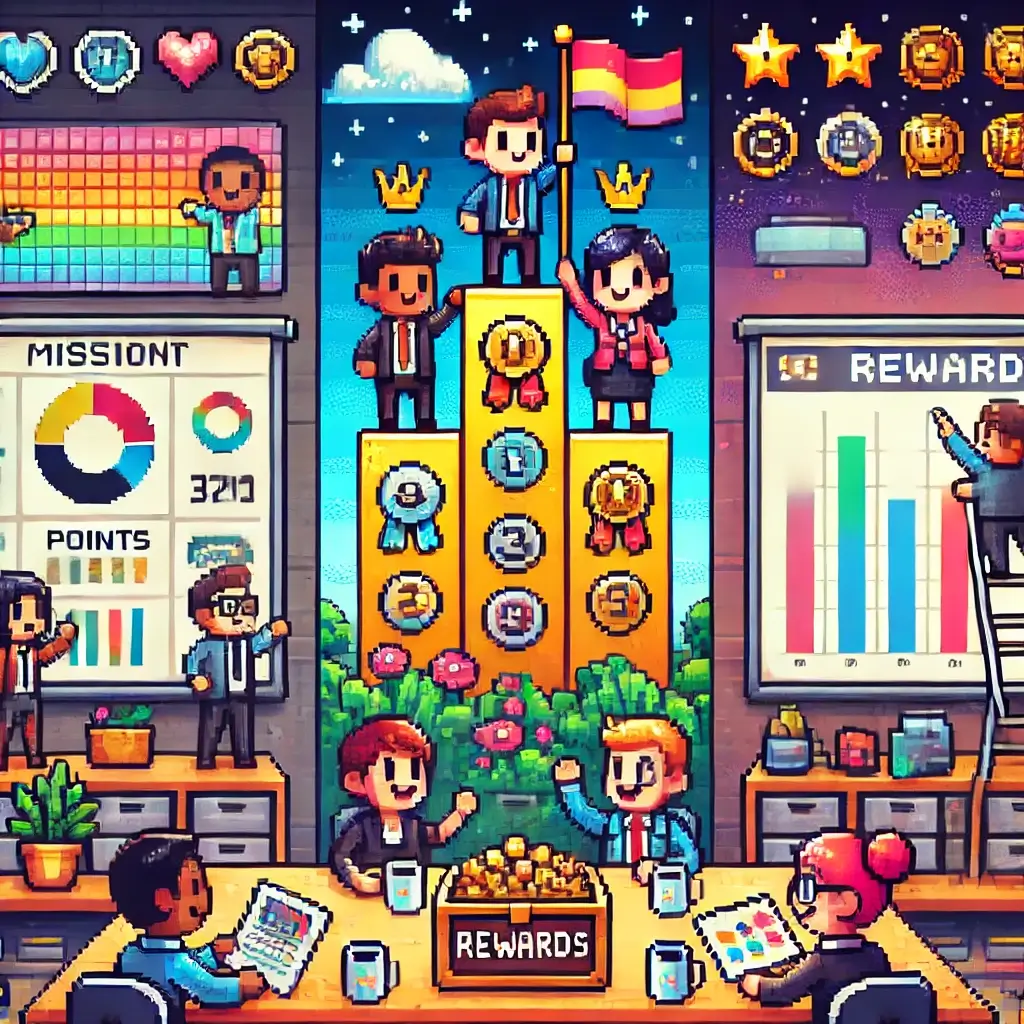
Unleash an Army of Advocates: 12 Gamification Secrets That Will Blow Your Employee Advocacy Program Up
Remember when you were a kid, and your parents told you to clean your room?
It was a chore, right?
But what if they said, “The first one to find all 10 ‘lost treasures’ (aka your misplaced socks) gets an extra scoop of ice cream”?
Suddenly, it’s not a chore; it’s a mission!
That’s the magic of gamification, my friends.
It transforms the mundane into the magnificent, turning a simple task into a thrilling quest.
And guess what?
This isn’t just for cleaning rooms or getting kids to eat their veggies.
It’s a powerful, proven strategy that can absolutely revolutionize your employee advocacy program.
If you’ve been struggling to get your employees to share company content, if your program feels more like a ghost town than a bustling community, you’re in the right place.
I’ve seen it firsthand, and I’ve talked to countless marketing and HR pros who face the same exact challenges.
They launch an employee advocacy program with high hopes, only to be met with crickets.
The initial excitement fizzles out faster than a cheap firecracker.
But it doesn’t have to be that way.
What if your team actually *wanted* to be part of the program?
What if they were competing with each other to share the most insightful articles or get the most likes on a post?
That’s the promise of gamification.
It taps into our innate human desires for achievement, recognition, and friendly competition.
It makes participation not just easy, but genuinely fun and rewarding.
So, let’s dive in.
I’m going to share 12 killer secrets—proven, practical strategies—that will take your employee advocacy program from zero to hero.
No fluff, no jargon, just the real talk you need to get this done.
I’ll even throw in some real-life anecdotes and a few dad jokes along the way.
Ready?
Let’s level up. —
Table of Contents
—
Why Your Employee Advocacy Program Needs Gamification Now More Than Ever
Let’s get real for a second.
In the world of business, there’s this weird assumption that everyone is a robot, driven only by a paycheck.
But we both know that’s a load of malarkey.
People are motivated by so much more.
They want to feel valued, to be part of something bigger, and to have a little fun along the way.
This is exactly where gamification shines a spotlight on your employee advocacy program.
It’s the secret sauce that can turn a dry, corporate initiative into an exciting, employee-led movement.
Think about it.
You’re not just asking them to share a link.
You’re inviting them to be a brand champion, to level up, and to compete for glory.
The difference in engagement is night and day.
Gamification also solves some of the biggest problems I see.
First, it tackles the “what’s in it for me?” question head-on.
By offering tangible rewards and recognition, you’re giving employees a clear reason to participate beyond just “doing their part.”
Second, it provides a sense of progress.
Humans love to see how they’re doing.
Are they making a difference?
Are they moving up the ranks?
Gamification answers these questions with clear visual cues like progress bars, points, and leaderboards.
Third, it fosters a community.
When people are competing (or collaborating!) on a shared goal, they naturally start to interact more.
This strengthens team bonds and creates a more positive work culture.
And let’s not forget the fun factor.
In a world of burnout and endless Zoom calls, a little bit of fun can go a very long way.
Ready to make it happen?
Let’s get into the nitty-gritty. —
Strategy 1: Points and Leaderboards – The Ultimate Classic
This is the bread and butter of gamification, and for good reason.
It’s simple, effective, and taps into our competitive spirit.
Assign points for every action an employee takes: sharing a post, commenting, getting a like, or even just logging in.
The number of points can vary based on the value of the action.
For instance, a share that gets 100 likes might be worth more points than one that gets only five.
Then, create a dynamic, real-time leaderboard.
Think of it like the top-scorer list at an arcade.
You want to see your name up there, right?
Make sure the leaderboard is visible and updated frequently.
You can display it on a company intranet, a dedicated program page, or even on a big screen in the office breakroom.
This transparency fuels the fire of competition.
I saw a company do this with a “Top Sharer of the Month” leaderboard, and the friendly banter between departments was legendary.
The sales team and the marketing team started a playful war of words on the company Slack channel, all about who was going to get the top spot.
It was an absolute blast to watch, and the engagement numbers went through the roof. —
Strategy 2: Badges and Achievements – A Virtual Trophy Cabinet
Badges are the digital equivalent of merit stickers.
They’re a brilliant way to acknowledge specific accomplishments that might not be captured by a simple points system.
Think of badges for things like:
“First Share” – for new advocates
“Content Creator” – for writing original posts
“Social Butterfly” – for sharing content across multiple platforms
“Super Engager” – for getting a certain number of likes or comments on their shares
“Viral Virtuoso” – for a post that gets an unusually high number of shares or views
These badges become a virtual trophy cabinet on an employee’s profile, a visible sign of their dedication and skill.
I once worked with a company where they had a “Community Hero” badge for employees who consistently answered questions and engaged with the audience.
It wasn’t just about sharing; it was about building a community, and the badge system made that goal clear and rewarding.
They even created a cool-looking, custom-designed badge for each achievement, which made them feel even more special.
Badges also provide a sense of progression.
Employees can see what’s next and what they need to do to earn the next shiny object.
It’s a low-cost, high-impact way to keep the motivation flowing. —
Strategy 3: Challenges and Missions – Turning Sharing into a Quest
Boredom is the enemy of engagement.
One of the easiest ways to fight it is by introducing challenges and missions.
These are short, time-bound objectives that give employees a specific goal.
They can be anything from “Share three articles this week” to “Create one original video post about our new product feature.”
The key is to make them focused and achievable.
Think about a fitness app.
It’s not just about tracking steps; it’s about hitting your 10,000-step goal today, or completing a 30-day running challenge.
This is the same principle.
A “Weekly LinkedIn Challenge” where the top three participants win a small prize can be incredibly effective.
I remember one company that had a “Social Selling Supercharge” mission.
The challenge was for the sales team to share content that resonated with their target audience and track the inbound leads.
The team that generated the most leads from their social shares won a team lunch at a fancy restaurant.
This wasn’t just about advocacy; it was about connecting advocacy directly to business results, and the motivation was off the charts. —
Strategy 4: Rewards and Recognition – Make it Worth Their While
Points and badges are great, but sometimes people want something a little more tangible.
Rewards don’t have to be expensive to be effective.
They can be as simple as a shout-out in the company newsletter or a special parking spot for a week.
Here’s a list of ideas to get your creative juices flowing:
Gift cards (coffee, food delivery, Amazon)
Extra time off or a “flex day”
Company swag (high-quality stuff, not cheap pens)
Donations to a charity of their choice
Mentorship sessions with a senior leader
A feature in the company blog or social media
Lunch with the CEO
One of the most powerful rewards I’ve seen is a simple, public recognition.
Having a senior leader personally thank an employee for their contributions in a company-wide meeting or email can be incredibly motivating.
It’s a signal that this work is valued and noticed at the highest levels.
And hey, a free lunch never hurts either.
It’s like getting a gold star in kindergarten, but with better food.
—
Strategy 5: Team-Based Competition – The Power of We
Some people are more motivated by a sense of team spirit than individual glory.
This is where team-based competition shines.
Pit different departments, teams, or even office locations against each other.
You can have a “Marketing vs. Sales” showdown for who can generate the most engagement, or a “New York vs. London” battle for the most shares.
This fosters collaboration and a sense of shared purpose.
It also takes the pressure off any single individual, because the goal is a collective one.
I remember working with a tech company that did a quarterly “Advocacy Olympics.”
Each department was a “country,” and they competed in different “events” like getting a certain number of shares or creating a viral post.
The winning team got a trophy, bragging rights, and a celebratory happy hour.
It was amazing to see how the competition brought people together and created a massive buzz around the program.
—
Strategy 6: Unlocking Content Tiers – A VIP Experience
This strategy uses a sense of exclusivity to drive engagement.
As employees participate more and earn points, they “level up” and unlock access to exclusive, premium content.
This could be anything from early access to product announcements, sneak peeks at upcoming campaigns, or even confidential company news before it’s released to the public.
It makes employees feel like they are part of an inner circle, a VIP club.
They’re not just sharing content; they’re being trusted with privileged information because of their dedication.
This can be a huge motivator, as it signals trust and respect.
It also ensures that the most dedicated advocates have the best content to share, which further boosts the program’s overall effectiveness.
It’s a win-win: employees get a sense of status, and you get your best content shared by your biggest fans.
—
Strategy 7: Quests and Storytelling – Create an Epic Narrative
Why just share content when you can embark on a quest?
This is where you get to be a little bit of a storyteller.
Create a narrative around your program.
Maybe employees are “Brand Guardians” on a mission to “Defend the Digital Realm.”
Each mission could involve sharing content related to a new product launch, a company event, or a specific marketing campaign.
As they complete missions, they get closer to defeating the “evil forces of obscurity” and earning the “Key to the Kingdom” (or a gift card, let’s be real).
This isn’t just about gamification; it’s about creating a sense of purpose and adventure.
It turns a mundane task into a part of a larger, exciting story.
I know, it sounds a little cheesy, but trust me, it works.
It appeals to the part of our brain that loves a good adventure and wants to be the hero.
—
Strategy 8: Peer-to-Peer Recognition – The Social Boost
Gamification shouldn’t just be a top-down system.
It should also empower employees to recognize each other.
Implement a feature where employees can give each other “props” or virtual high-fives for a great share or a helpful comment.
This creates a positive feedback loop and a sense of community.
People are often more motivated by a compliment from a peer than a point from the system.
It makes the whole experience more personal and human.
You could even gamify this by giving each employee a limited number of “props” to give out each week.
This makes them think about who truly deserves the recognition, and it adds another layer of engagement to the platform.
It’s like a virtual pat on the back, and who doesn’t love that?
—
Strategy 9: Surprise and Delight – Keep Them on Their Toes
Predictability is the enemy of engagement.
Once people figure out the system, they might start to game it in ways you didn’t intend, or they might just get bored.
The key is to introduce an element of surprise.
This could be a random bonus for sharing at a certain time of day, a surprise “Power-Up” badge for hitting a specific milestone, or a mystery prize for the 100th person to share a new blog post.
It’s like finding a secret level in a video game.
It’s unexpected, and it feels like a special reward just for you.
This strategy keeps the program feeling fresh and exciting, and it encourages people to check back frequently to see what new surprise might be waiting for them.
Think of it as a little digital sparkle in their day.
—
Strategy 10: Spin the Wheel – A Little Gambling for a Good Cause
Let’s be honest: who doesn’t love a good lottery?
You can gamify your program by introducing a “Spin the Wheel” or a “Digital Scratch-off.”
For every 10 shares or every 500 points an employee earns, they get a chance to spin the wheel for a prize.
The prizes can range from small things like a coffee gift card to bigger ones like a company dinner or even an extra vacation day.
The randomness adds an element of excitement and a sense of “what if?”
This is a great way to reward consistent, low-level engagement and keep people coming back for more.
Just be careful to make the prizes appealing enough to be worth it, and ensure that everyone has a fair chance to win.
It’s all about that little dopamine hit.
Gamification in Employee Advocacy Infographic
How to Gamify Your Employee Advocacy Program
Turn employees into brand champions with these key strategies!
Points & Leaderboards
Award points for every action and track progress on a live leaderboard. Create a sense of competition and achievement.
Badges & Achievements
Recognize specific accomplishments with virtual badges, creating a “trophy case” for their profile.
Challenges & Missions
Set time-bound, goal-oriented tasks to keep engagement high and focused.
Tangible Rewards
Offer real-world prizes like gift cards, extra time off, or company swag to motivate participation.
Team Competition
Encourage collaboration and friendly rivalry by pitting departments or teams against each other.
Exclusive Access
Create a sense of exclusivity by unlocking premium content tiers for top performers.
—
Strategy 11: Real-Time Feedback and Visual Progress – Show Them the Money
Imagine you’re trying to hit a target, but you have your eyes closed.
You have no idea if you’re getting closer or further away.
That’s what it feels like when you ask employees to participate without showing them their progress.
The human brain is hardwired to respond to visual progress.
Think about a progress bar when you’re downloading a file.
It’s so satisfying to watch it fill up.
You can apply this same principle to your program.
Show employees how many points they’ve earned, how many shares they’ve made, and how close they are to earning their next badge or leveling up.
This can be in the form of a simple dashboard, a progress bar on their profile, or even a weekly email summary.
And make sure the feedback is as close to real-time as possible.
When an employee shares a post, a little animated notification that says “+5 points!” is way more exciting than a static number that updates once a day.
This immediate gratification is a key component of a successful gamified system.
—
Strategy 12: Customizable Avatars and Profiles – Let Them Express Themselves
Finally, let your employees have a little fun with their digital identity.
Allow them to create a custom avatar or personalize their profile.
This might seem like a small thing, but it’s a powerful tool for fostering a sense of ownership and personality.
As they earn points and badges, they can unlock new accessories for their avatar, like a cool hat or a special background.
It’s a way for them to express their individuality and to show off their achievements in a fun, visual way.
This also makes the whole platform feel less like a stuffy corporate tool and more like a fun, engaging community.
It’s the digital equivalent of being able to decorate your office cubicle.
It makes the space feel like it’s yours.
—
Don’t Screw It Up! Common Pitfalls to Avoid
Okay, so you’re ready to go.
You’re armed with 12 amazing strategies.
But before you rush off to build your empire, let’s talk about the traps.
The biggest mistake I see is when companies make the gamification too complex.
If employees have to read a 10-page rulebook just to understand how to get a badge, you’ve already lost.
Keep it simple, intuitive, and easy to understand.
Another huge pitfall is making the rewards meaningless.
If the prize for being a top advocate for a year is a free sticker, nobody is going to care.
The rewards don’t have to be expensive, but they need to be something people actually want.
Ask your employees what they’d like to win.
You might be surprised by their answers.
Finally, don’t forget the fun factor.
If the tone is too corporate and serious, all the points and badges in the world won’t save you.
Inject personality, humor, and a genuine sense of appreciation into everything you do.
It’s not about forcing people to share; it’s about making them *want* to.
—
The Grand Finale: Go Build Your Gamified Empire
Gamification isn’t just a buzzword; it’s a powerful human-centric approach that can transform your employee advocacy program.
It turns your employees from passive participants into active, engaged, and enthusiastic brand champions.
By tapping into our natural love for competition, achievement, and recognition, you can build a program that not only works but thrives.
So, stop thinking of it as just “another thing to do” and start seeing it for what it is: a game-changer.
Now go out there and build a program so good, your employees will be begging to play.
Gamification, Employee Advocacy, Social Media, Employee Engagement, Internal Marketing
🔗 The 5 Golden Rules of the Patek Philippe Secondary Market Posted 2025-08-18 07:14 UTC 🔗 7+ Niche Tax Deductions Remote Workers Miss Posted 2025-08-18 07:02 UTC 🔗 Special Event Liability for Your Block Party Posted 2025-08-18 03:41 UTC 🔗 When Your Homeowner’s Policy Fails Posted 2025-0