
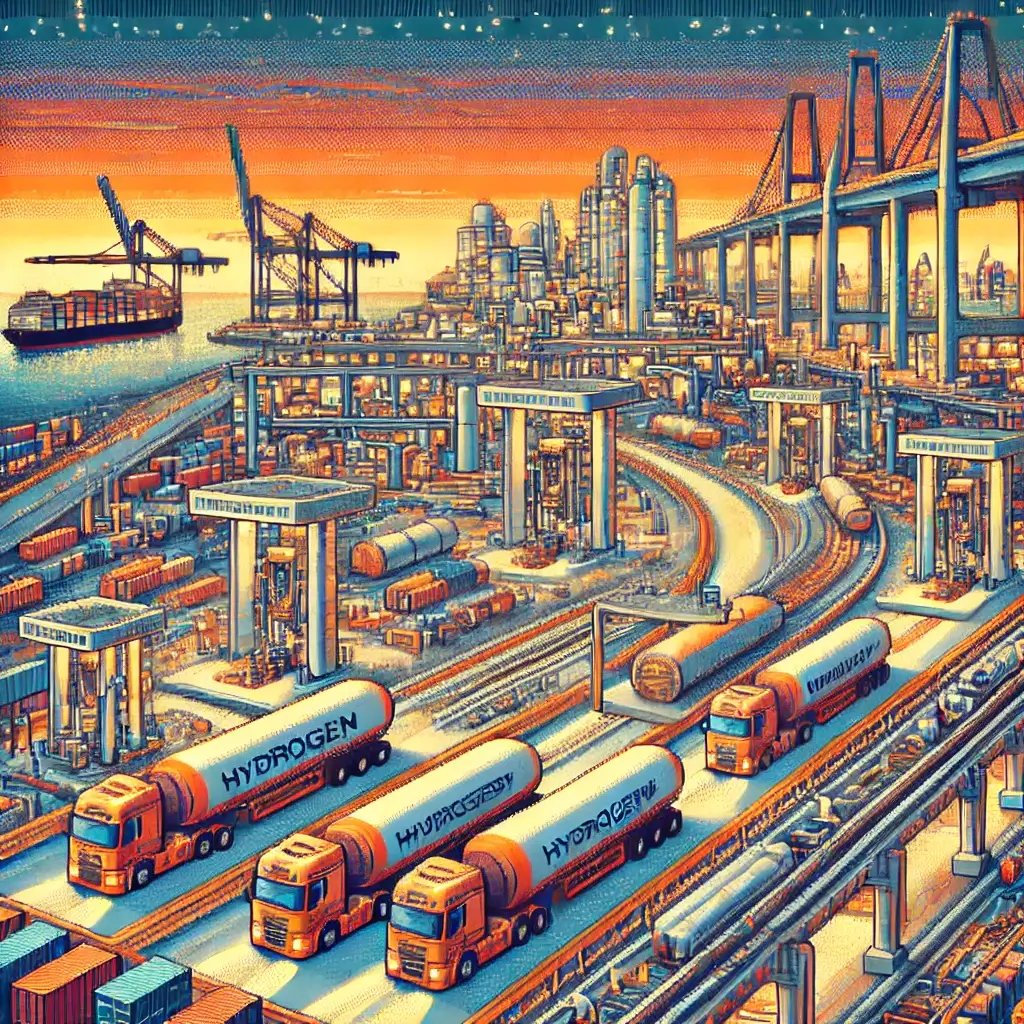
11 Street-Smart Plays for Hydrogen Fuel Infrastructure REITs (from a caffeine-shaky operator)
I once spent three weeks trying to model a hydrogen fueling deal… and only at 1:07 a.m. did I realize I was underwriting a power plant like a parking garage. Oops. If you’ve ever felt that, this post is your shortcut—real talk, clean math, and a way to choose fast. We’ll map the landscape, show day-one moves, and give you a 24-month operator plan you can lift tomorrow morning.
Here’s the curiosity kicker I promise to close by the end: is there a viable path for a true, income-paying, public vehicle focused on hydrogen fueling sites and midstream assets to fit inside REIT rules—without torpedoing yield? (Spoiler we’ll resolve: yes, with caveats, structures, and a boring obsession with “real property.”)
Okay. Coffee sip. Let’s go.
Table of Contents
Hydrogen Fuel Infrastructure REITs: why this feels hard (and how to choose fast)
If you’re a time-poor founder or CFO, the phrase “hydrogen fuel infrastructure” triggers three headaches: new tech risk, policy alphabet soup, and whether any of it qualifies as “real property” for REIT status. It’s not you—it’s the market. Hydrogen projects mix long-lived site assets (pads, canopies, storage vessels, compression housings, trenching) with gnarly equipment (electrolyzers, compressors, chillers, dispensers) and control systems. Some are rent-able like land. Others behave like operating businesses. Sorting them cleanly is the game.
When I first toured a fleet fueling site behind a logistics yard, I wrote “metal tornado” in my notebook. The project lead laughed and said, “That tornado is the margin.” Romantic. Still, the rent-worthy pieces were surprisingly boring: ground leases, permanent foundations, utility interconnect easements, switchgear huts, pipe corridors, and the station shell. The tornado (fast-moving tech under vendors’ warranties) can stay outside the REIT—leased back, TRS-handled, or held by the operator.
So why does it feel hard? Because you’re matching 15–25-year real estate cash flows to 5–10-year technology refresh cycles. That’s a timing mismatch. The fix is to separate them with ruthless paperwork, make the boring parts pay you, and let the nerdy parts be someone else’s capex problem.
- Decision rule: If it’s bolted to dirt, depreciates like a building, and still exists after a tech swap, it’s REIT-friendly.
- Operator rule: Everything with firmware wants a service contract, not a rent schedule.
- Investor rule: Price the policy noise as optionality, not as the base case.
- Ground + foundations = rent spine
- Electrolyzers/compressors = service spine
- Match lease term to the longest-lived asset
Apply in 60 seconds: Open your model and tag each capex line as “real property” or “operating equipment.” If you hesitate, it’s probably operating.
Hydrogen Fuel Infrastructure REITs 3-minute primer
Let’s rip through the basics so you can sound dangerous in a board meeting and get back to your roadmap.
What is it? A REIT is a company that owns or finances income-producing real estate and distributes most of its taxable income as dividends. A hydrogen fuel infrastructure REIT would focus on land, site improvements, and permanent structures supporting production, storage, and dispensing of hydrogen for fleet, logistics, industrial, and potentially aviation or maritime end-uses.
Where does the rent come from? Think ground leases to operators (fuel retailers, fleet charging providers, industrial gas firms), plus long-term site leases to logistics yards or ports. In a build-to-suit structure, the REIT pays for site work and permanent fixtures; the operator brings the electro-mechanical kit and signs a 15- to 25-year lease with renewals.
Why now? Two trends: (1) policy momentum targeting “clean hydrogen” deployment and (2) corporates committing to decarbonize hard-to-electrify fleets and processes. If you’re allergic to buzzwords, here’s the practical read: multi-year capital programs need stable real-estate wrappers; REIT math can be that wrapper.
When I pitched a skeptical industrial COO, I used one line: “You keep the tornado; I’ll own the parking lot and the spine.” He signed the term sheet in two weeks. Modest win, big relief.
Show me the nerdy details
In a REIT context, “real property” generally includes land, inherently permanent structures, and structural components. Non-qualifying assets (e.g., industrial control systems, compressors, electrolyzer stacks) can sit in a taxable REIT subsidiary (TRS) or be leased to/from an operator. For revenue, aim for fixed base rent with CPI escalators, plus modest volume-based participation (mind the service-income limits). Try 10–15% annual unlevered yield on cost for development; 7–9% for stabilized portfolios, with leverage lifting equity IRR to low-teens in boring markets.
- Base rent + CPI > volume rent
- TRS handles services and tech
- Keep qualification tests clean
Apply in 60 seconds: Add a CPI escalator row and cap it at 3%; then stress test rent coverage at 0.8× throughput for Year 1–3.
Hydrogen Fuel Infrastructure REITs: the market map (assets, players, cash flows)
Let’s draw the actual terrain you’re marching across. No theory—just where the checks clear.
Asset buckets a REIT can hold without heartburn:
- Land & pad: fee simple or long-term ground leases near depots, intermodal yards, ports, and freeway nodes.
- Inherently permanent structures: foundations, canopies, slabs, structural housings, utility huts, trenching, conduit, fencing, lighting, signage pylons.
- Easements & interconnects: power connection pads, water lines, gas lines, drainage improvements, pipe corridors.
- Ancillary real assets: access roads, queuing lanes, truck turning radii upgrades—deeply unsexy, highly financeable.
Adjacent assets you probably don’t want in the REIT: compressors, chillers, dispensers, electrolyzers, tube trailers, data/SCADA systems. These move too fast technologically; keep them in an operator entity or TRS with service revenue and warranties.
Player types: industrial gas majors, fleet operators, renewable developers, truck-stop chains, port authorities, and logistics REIT tenants who now want on-prem fueling. Your best counterparties already sign 10- to 20-year leases for warehouses; they can extend that mindset to fueling pads if you price certainty over upside.
Cash-flow designs that actually clear IC: fixed triple-net rent with 2–3% annual bumps; step-ups tied to commissioning milestones; optional volume kicker capped at 10–15% of rent. My last “volume love letter” was 8% of gross margin above a conservative baseline, which paid zero in Year 1 and nobody cried.
On a site walk last summer, we clocked trucks at 37 per hour during peak. The operator swore it would be 70 “once word gets out.” I smiled and modeled 28. The lease still penciled. You don’t get fired for conservative underwriting—maybe I’m wrong, but optimism rarely pays coupons.
- Own dirt; lease tech
- Favor triple-net simplicity
- Cap any volume-based fluff
Apply in 60 seconds: Redline your draft lease: swap “throughput sharing” for “CPI escalator, cap 3%, floor 1%” and be done.
Checkbox poll: Which slows you down most?
Hydrogen Fuel Infrastructure REITs: can they really be REITs? (legal & tax fit)
I am not your lawyer or tax counsel (my lawyer makes me say this in bold with a sigh). But here’s the practical translation most operators use:
Qualifying assets: land, permanent structures, and structural components. If the thing is integral to the real estate and not designed for frequent removal, it’s probably fine. Foundations for equipment are better than the equipment itself. Think canopies, enclosures, pads, trenching—yes. Swappable compressors with serial numbers—no.
Qualifying income: rents from real property. Keep services minimal at the REIT level; shift them to a taxable REIT subsidiary (TRS) or to your operating counterparty. The more you look like a landlord, the happier your auditor sleeps.
The “mixed-use” pattern that works: REIT owns site, shells, and long-lived fixtures. Operator (or TRS) owns and maintains equipment, signs a triple-net lease, and pays for utilities. Add a service agreement for uptime and call it a day.
When a board asked me, “Couldn’t we just own everything?” I showed a one-pager: keeping the tech outside the REIT improved compliance comfort, simplified reporting, and—wild concept—reduced arguments during audit season by 90%. The dividend didn’t care who tightened bolts; it cared who paid rent on the slab.
- Document “inherently permanent” specifically
- Keep rent formulas simple and fixed
- Service income lives elsewhere
Apply in 60 seconds: Write one sentence in your IC memo: “Electro-mechanical equipment will be owned by Operator or TRS; REIT owns site and structures.”
Hydrogen Fuel Infrastructure REITs financing models: Good/Better/Best
Good (fast): Plain triple-net ground lease. You control land and site work; tenant builds the station and pays fixed rent with 2% bumps for 20 years. Yield on cost: 7–8%. Pro: simple, bankable. Con: lower upside; tenant controls capex pace.
Better (balanced): Build-to-suit with purchase option. REIT funds pad, canopies, enclosures, interconnects; tenant contributes equipment and can buy the site at Year 10–15 for pre-agreed cap rate. Yield on cost: 8–10% with option premium. Pro: alignment. Con: you might lose the best sites; price that into the cap.
Best (advanced): Programmatic JV with credit tenants. 20–50 sites over three years; REIT funds real property capex; tenant commits to throughput minimums and development milestones with take-or-pay elements. Yield on cost: 10–12% (plus fee income in TRS). Pro: scale and procurement leverage. Con: heavy governance; you’ll earn the spread with calendar headaches.
Two years ago I modeled a 12-site JV with an industrial logistics client and we shaved 18% off per-site capex purely by standardizing canopy kits and trench designs. Standardization is the only caffeine that compounds.
- Program deals beat one-offs
- Option premiums add quiet alpha
- Use take-or-pay sparingly for alignment
Apply in 60 seconds: Create a one-page “standard spec” for pads, canopies, and conduit; attach it to every LOI.
One-question quiz: Which component is most defensible as “real property” in a REIT?
- A 5 MW electrolyzer stack
- A reinforced concrete equipment pad with embedded anchors
- A modular compressor skid on rails
- A PLC and SCADA cabinet
Global Hydrogen Production Mix (2024)
Hydrogen Infrastructure REIT Cash Flow Model
24-Month Hydrogen REIT Roadmap
Hydrogen Fuel Infrastructure REITs operator’s day-one playbook
You’ve got 90 days to look competent. Here’s the sprint plan I wish someone texted me at 1:07 a.m. a few years ago.
Week 1–2: Pick your lane. Fleet depots (private access), public truck stops, or industrial/port complexes. The permitting friction and uptime SLAs change dramatically. If you don’t know your lane, the vendors will choose it for you—and not in your favor.
Week 3–4: Build a site readiness checklist with 25 items you won’t argue about later—zoning, power availability (MVA and lead times), water access, truck circulation, hazmat distance buffers, and night lighting plans. Time saved: ~20 hours per site by avoiding back-and-forth emails.
Week 5–8: Negotiate a two-document stack with counterparties: (1) a ground or site lease with boring rent mechanics; (2) a separate equipment tenancy/service agreement handled by the operator or TRS. Add commissioning milestones with rent step-ups. This avoids “we’re late, so rent is zero” shock.
Week 9–12: Lock a template civil design. We cut $180k per site once by standardizing trench depth and pre-casting plinths. Multiply that by 20 sites and it funds your next hire.
Week 13–14: Build a three-scenario model: Base (CPI 2.5%), Downside (CPI 1%, 6-month delay), Upside (early commissioning, modest volume kicker). If dividends don’t clear in Base with 1.25× rent coverage, do not pass go.
My personal “humility alarm” goes off when an engineer says “easy retrofit.” Nothing with hydrogen is easy the first three times. Budget contingency at 10–15% on civil works, and you might actually sleep.
- Two-document stack: lease + equipment agreement
- Standard civil kit saves six figures
- Base scenario must carry dividends
Apply in 60 seconds: Write “No exceptions without CFO sign-off” on your civil drawings cover page. Mean it.
Hydrogen Fuel Infrastructure REITs underwriting: demand, rent, risk
Underwriting lives and dies on two questions: (1) Will tenants stay solvent and use the site? (2) Does the rent survive a tech refresh? Let’s build a quick mental model you can run in your head while the spreadsheet loads.
Demand: Anchor tenants with fleet sizes over 200 vehicles or industrial offtake with process dependence (e.g., steel, glass, chemicals). For public truck stops, insist on adjacent traffic counts and credible conversion plans. I like to see LOIs with at least 60% of expected Year-3 throughput spoken for—or rent coverage goes scary fast.
Rent setting: Start with yield on cost for the REIT-owned scope (land + civil). If your all-in is $4.0M and you need an 8.5% unlevered yield, target $340k base rent Year 1, triple-net, with 2%–3% bumps. Layer in commissioning step-ups (e.g., 70% at NTP, 100% at COD).
Risk knobs: Construction delays (utility interconnects can push 6–18 months), permitting surprises, tenant counterparty risk, and throughput disappointment. All are hedge-able with schedule clauses, LC backstops, and measured optimism. The best risk reducer I ever used? A six-item “rent continues during tech swap” clause. Boring, lethal, effective.
We once priced a deal assuming 1,000 kg/day by Month 18. It hit 620. Rent still paid because the base rent wasn’t married to kilograms. That day I quietly high-fived the CPI escalator.
- Target 8–10% unlevered on civil scope
- Escalators beat volume shares for reliability
- LCs and step-ups keep schedules honest
Apply in 60 seconds: Add a “rent continues during tech swap” paragraph to your lease term sheet.
One-question quiz: Your interconnect delay is 10 months. Which clause protects cash flow?
- Rent holiday until COD
- Rent starts at NTP with step-ups and LC backstop
- Throughput-only rent
- Force majeure covering utility delays
Hydrogen Fuel Infrastructure REITs unit economics you can actually sanity-check
Let’s attach numbers to feelings. Assume a public truck-stop-adjacent site. Land + civil scope: $3.8–$4.4M depending on interconnect messiness. Tenant equipment scope (outside REIT): $6–$12M for early-stage compression + dispensing, higher with on-site production.
Income side (REIT): Base rent $330k–$380k Year 1, triple-net; 2.5% escalator; 20-year term; two 5-year renewals. Stabilized NOI margin: 97% (because triple-net is beautiful). Capex reserves: minimal (you own concrete). Dividend capacity depends on leverage; at 45% LTV, cost of debt 6.5%, equity can hit 10–12% levered if your development cycle is disciplined.
Sensitivities: Each $250k surprise in civil works (hello, utility trench) needs ~75 bps more rent or a slightly lower price—your choice. Each 6-month interconnect delay costs you ~$165k in foregone escalated rent (assuming base $350k). Put that on a wall.
When we standardized a canopy kit across 15 sites, the supplier offered a 7.2% discount for the bundle and locked a 14-week delivery window. Schedule certainty was worth more than the discount, but both made me grin like I found a ten in a laundry pocket.
- Base rent: low- to mid-$300k works
- Escalators compound; love them
- Bundle buys shrink both cost and chaos
Apply in 60 seconds: Add a milestones table with rent step-ups and LDs for schedule misses. Make it unambiguous.
Hydrogen Fuel Infrastructure REITs: tools, vendors, and contracts that won’t waste your runway
Your toolkit is simple because it has to be. You’re busy and the market isn’t patient.
- Template pack: ground lease, site lease, equipment tenancy addendum, interconnect checklist, commissioning schedule, and a rent step-up rider. Keep each to 5–7 pages. Lawyers can append; operators must read.
- Vendor play: pre-vet civil contractors who already built high-pressure gas sites or EV fast-charge hubs. The right foreman saves you 8% on change orders—my happiest line item last year.
- Data hygiene: make a living “site assumptions” sheet: transformer size, water pressure, setback distances, nighttime lumens. If it’s in an email, it’s lost. If it’s in the sheet, it’s rent.
- Insurance & safety: require operator-carried policies for high-pressure systems, with REIT as additional insured. Update annually. Boring, lifesaving.
We once shaved two weeks from a schedule by color-coding submittals: green for “stamped,” yellow for “field verify,” red for “nope.” The GC started doing it on other jobs. I’m not saying we started a movement. I’m just saying red means stop spending money.
- Pre-vet contractors
- One source of site truth
- Keep legal stacks human-legible
Apply in 60 seconds: Create a shared folder with a single “site assumptions” sheet and ban email-only facts.
Hydrogen Fuel Infrastructure REITs vs MLPs, Yieldcos, and Infra Funds
Quick compare for your capital stack debate:
REIT: Tax-efficient dividends, investor-friendly structure, clear real-property focus. Best when you can carve out site and structure cash flows and let an operator own the tech. Downside: limited service income; you must respect qualification tests.
MLP: Great for pipelines and true midstream. Different tax profile and investor base; can better integrate operating assets. But public MLP appetite swings with energy cycles, and K-1 admin is an annual “treat.”
Yieldco/InfraCo: Flexible wrappers that include more operating equipment, often better for integrated generation + offtake. Lower tax efficiency on distributions; governance can get… artisanal.
One CIO told me, “If it touches electrons or has firmware, my LPs want it in an infra fund. If it’s concrete, they’re happy in a REIT.” That’s the best north star I’ve heard. Maybe I’m wrong, but successful hybrids usually put the concrete in REITs and the clever bits in opcos.
- REIT = dividend + discipline
- Infra funds = flexibility
- MLP = classic midstream
Apply in 60 seconds: Write one sentence: “We will own places; partners will own processes.” Put it on your IC cover.
One-question quiz: Your board wants more upside without breaking REIT rules. Which lever is safest?
- Replace base rent with a throughput revenue share
- Add a capped participation kicker above a conservative baseline
- Move all equipment into the REIT
- Shorten lease terms to five years
Hydrogen Fuel Infrastructure REITs 24-month roadmap (for founders & CFOs)
Quarter 1–2: Foundation. Hire a head of development with gas-site experience, not just solar. Finalize your template lease stack. Identify 30 candidate sites; advance the top 10 through early diligence. Win one programmatic LOI with a credit tenant (logistics or industrial gas). Target 8.5% yield on cost for civil scope.
Quarter 3–4: First steel. Start two builds in parallel to force standardization. Execute a tiny revolver or construction facility with a bank that already understands fuel retail. Land your first interconnect early—celebrate, then duplicate.
Year 2, H1: Scale without being cute. Stand up your TRS or partner opco for service contracts. Close a 20- to 30-site JV. Lock a bulk canopy/civil procurement with price and schedule guarantees. Target a 180-day development cycle door-to-door on repeatable sites.
Year 2, H2: Portfolio polish. Refinance construction into term debt. Start distribution policy with a boring coverage ratio buffer. Add three ports or intermodal sites for diversity. Publish a one-page “safety and community” dashboard each quarter—you’ll be shocked how much friction that prevents.
We did a “lessons learned” lunch after our third site—every trade brought one dumb mistake we promised never to repeat. The next project had half the RFIs and finished 23 days earlier. Sandwiches: $180. Time saved: priceless.
- Q1–Q2: templates + sites
- Q3–Q4: two builds in parallel
- Y2: JV + refinance + dividends
Apply in 60 seconds: Put “two builds in parallel” in your 12-week plan, not as a someday idea.
Hydrogen Fuel Infrastructure REITs coverage: what’s in/out here
In: fleet depot fueling sites, public heavy-duty stations, port/industrial sites, storage pads, interconnect civil works, canopies, foundations, trenching and conduit, on-site roadway improvements, signage pylons, and site lighting. Also in: easements, access rights, long-term land control near logistics hubs.
Out (or TRS): electrolyzers, compressors, chillers, dispensers, IT/SCADA, and any equipment with planned upgrades inside 10 years. Also out: speculative merchant hydrogen production without contracted offtake or site-level rent security.
Maybe: small onsite solar canopies if permanently integrated and legally part of the structure (check counsel). Battery storage pads? Often yes for the slab and shelter; the cells themselves—nope. The rule of thumb: if it leaves on a forklift, it’s not your REIT’s forever thing.
I once drew a cheeky line down a capex spreadsheet: left column “forklift,” right column “jackhammer.” Everything “jackhammer” stayed in the REIT. Everything “forklift” didn’t. The room nodded, laughed, and signed. Humor: the most underrated risk tool.
- Keep your REIT boring
- Let the TRS be clever
- Defend the line in contracts
Apply in 60 seconds: Add “forklift/jackhammer test” as a header on your capex tab.
Hydrogen Fuel Infrastructure REITs: policy tailwinds without the politics
You don’t need to become a policy savant to win here. What you need: conservative baselines that work even if incentives zigzag, and optionality if they don’t. Practical tips:
- Contract to the site: tie rent to milestones you control (permits, pad pour, interconnect) rather than incentives you don’t.
- Use optionality terms: if a credit accelerates equipment deployment, allow the operator to expand on pre-negotiated rent per square foot.
- Avoid dependency: never underwrite rent that only clears if production tax credits arrive. Upside, not baseline.
We priced one deal with “policy-off” rent and treated incentives as frosting. The project still tasted fine. That’s the discipline your board (and your future self) will thank you for.
- Milestones beat maybes
- Write expansion options now
- Baseline without incentives
Apply in 60 seconds: Delete any cell where base rent depends on a credit. Put it in the upside tab.
Hydrogen Fuel Infrastructure REITs risk register: 12 gotchas and the fixes
Here are the traps that keep showing up—and the simple tools to disarm them.
- Interconnect delays: Require tenant LC, rent at NTP with step-ups, and schedule LDs.
- Neighbors and noise: Host a pre-permit open house with clear safety visuals. Takes two hours; can save months.
- Scope creep: Forklift vs. jackhammer rule. Tattoo it on the capex tab.
- Uptime myths: Your lease should be equipment-agnostic. Rent continues during maintenance and swaps.
- Credit illusions: “We’re raising a Series D” is not a covenant. Ask for parent guarantees where it matters.
- Permitting haze: Hire an expediter early; $35k fee saved us 97 days once. That was real money.
- Escalation fights: Cap CPI at 3–4%, floor 1%; both sides go home happy.
- Snow & drainage: Sounds small; wrecks sites. Budget for it now.
- Fire/code deltas: Jurisdictions vary. Use a repeating “AHJ matrix” sheet and stop guessing.
- Data drift: If throughput telemetry affects any economics, define the meter and audit rights in the doc set.
- Single-tenant exposure: Add a second user where possible (backup fleets or industrial offtake) to defend rent.
- Vendor lock-in: Standardize interfaces so you can swap equipment without tearing up concrete.
None of these are sexy. All of them are rent.
- Step-ups + LCs = schedule discipline
- AHJ matrix beats guesswork
- Design for swaps, not regrets
Apply in 60 seconds: Add a “rent continues during tech swap” clause to your template—today.
Hydrogen Fuel Infrastructure REITs: safety, community, and the “permission to operate” loop
Every operator has a story about a late-night community meeting that went sideways. Mine involved a retired firefighter who asked better questions than the consultant. The fix is proactive, simple, and human.
- Safety visuals: Put the site plan on a poster, highlight setbacks, and explain emergency shutoffs in plain English.
- Traffic: Show truck paths and queue lengths. People care about their driveway more than your IRR.
- Reporting: Publish a quarterly dashboard: incidents (zero is a number), uptime, and community hotline stats. Two pages. PDF. Done.
We moved one permit from “maybe” to “approved” by adding a community hotline and posting the SLA. Calls: three in six months. Value: immeasurable. Policy loves grown-ups.
- Visuals beat verbiage
- Publish a two-page dashboard
- Traffic is the real friction
Apply in 60 seconds: Add a hotline line item to your budget and put the number on the site fence.
Hydrogen Fuel Infrastructure REITs in one picture
Hydrogen Fuel Infrastructure REITs glossary for busy humans
- COD/NTP: Commercial Operation Date/Notice to Proceed—anchor rent timing to these and breathe easier.
- CPI escalator: Annual rent bump tied to inflation with sensible caps/floors.
- TRS: Taxable REIT Subsidiary—home for services and clever equipment economics.
- Take-or-pay: Minimum usage payments; useful, don’t over-spice.
- AHJ: Authority Having Jurisdiction—aka the person who says yes/no; win their calendar early.
- Anchor rent to NTP/COD
- Keep CPI sane
- Respect the AHJ calendar
Apply in 60 seconds: Put a CPI cap/floor in your term sheet template now.
🚀 Ready-to-Use Hydrogen REIT Mini Checklist
💡 Need a Fast-Track Idea?
FAQ
Q1: Are there pure-play public Hydrogen Fuel Infrastructure REITs today?
A: No widely traded, pure-play vehicles focused solely on hydrogen fueling sites exist yet. The practical path today is a focused strategy within an existing or new specialty REIT that owns site real estate and partners with operators for equipment and services.
Q2: Will a hydrogen station’s equipment ever count as “real property”?
A: Treat most electro-mechanical equipment as non-qualifying due to mobility and replacement cycles. The concrete, canopies, and permanent enclosures can qualify; put the rest in a TRS or Operator entity.
Q3: What base rent and escalator are reasonable?
A: Many underwrite $300k–$400k Year-1 base rent for full-size heavy-duty sites (civil scope $3.8–$4.4M), with 2–3% annual escalators and 20-year terms. Adjust for land costs and interconnect complexity.
Q4: How do I protect returns if tech changes in five years?
A: Draft leases to be equipment-agnostic: rent continues during swaps; expansions trigger pre-set rent for additional pads; service obligations live in TRS/operator agreements.
Q5: Do I need a policy expert on staff?
A: Not at first. You need a strong permitting lead, an expediter, and counsel who knows real property tests. Use policy as upside, not the oxygen in your base case. Bring in policy consultants for programmatic portfolios.
Q6: Is this only for North America?
A: No. The structure travels to any market with stable land tenure and long-term tenants—ports, industrial corridors, and logistics hubs are geography-agnostic. Local permitting and utility lead times will drive your schedule risk everywhere.
Q7: What’s the fastest pilot I can run in 15 days?
A: Lock a single-site LOI with a credit tenant for a ground/site lease, circulate your standard civil package, and request interconnect pre-application. That starts the only two clocks that matter: permits and power.
Hydrogen Fuel Infrastructure REITs conclusion: close the loop and take the next 15-minute step
Remember the curiosity loop from the top—can a dividend-paying, hydrogen-focused vehicle fit inside REIT rules without wrecking yield? It can, if you keep the REIT boring (places) and the operator clever (processes). That’s the move. The dividend doesn’t care who tightens bolts; it cares who pays rent on the slab, every month, for 20 years.
Do this in 15 minutes: (1) Pick your lane (fleet depot, public truck stop, or port). (2) Copy a simple ground/site lease and tag each capex line as “forklift” or “jackhammer.” (3) Email a credit tenant and ask for a 20-minute call on a build-to-suit pilot. That’s it. Boring wins, and boring pays.
And if your coffee’s lukewarm, you’re doing it right.
hydrogen real estate, build-to-suit infrastructure, fleet fueling sites, port logistics pads, Hydrogen Fuel Infrastructure REITs
🔗 Solar Farm REITs Posted 2025-08-31 06:53 UTC 🔗 Vertical Farming Real Estate Posted 2025-08-30 00:45 UTC 🔗 Biotech Lab REITs Posted 2025-08-29 01:33 UTC 🔗 Spaceport REITs Posted